The 8:45 Queue, the 20p Standoff and the Mystery Box: Notes from a Village Hall Jumble Sale

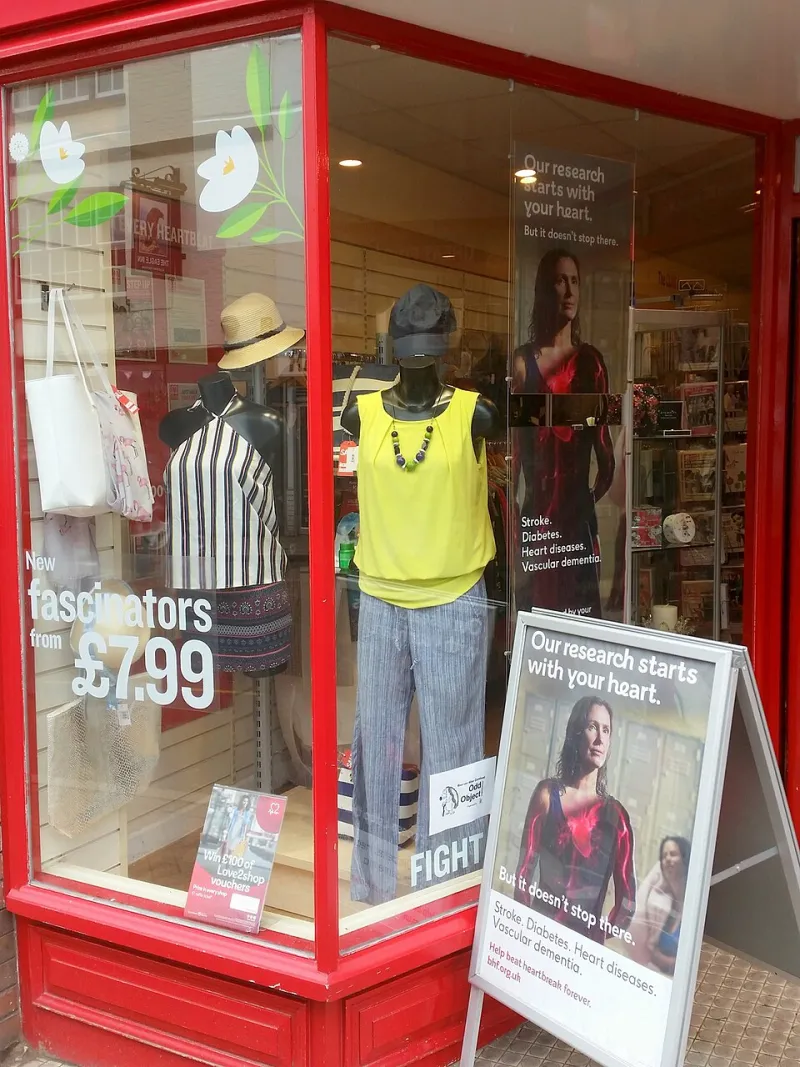
Photo: Basher Eyre, CC BY-SA 2.0, via Wikimedia Commons
There is a particular smell to a village hall jumble sale. It is part floor polish, part dusty paperback, part tea urn, with a faint top note of someone’s nan’s coat. By 8:45 on a damp Saturday morning in November, the queue outside is already six deep, and nobody is talking about the weather. They are talking about the toy table. Specifically, whether the wooden train set will still be there by 9:05.
This is not shopping. Shopping involves decisions, lighting and a returns policy. A jumble sale is closer to a gently competitive sport with a raffle at the end. The entry fee is usually 50p, the stakes are surprisingly high, and the whole thing raises money for the hall roof, the scout hut or the flower committee’s annual bulb order. It is local life at its most honest — and far more entertaining than any car boot.
The Queue Is the Warm-Up
Arrive at 8:45 and you will meet the Door Sentinel: a retired headteacher with a float, a clipboard and a look that could stop a bargain hunter at forty paces. She knows exactly who is here for the books, who is here for the children’s clothes and who is here because they heard a rumour about a sewing machine.
Do not turn up at 9:30 and expect the good stuff. Do not turn up at 7:45 either, unless you want to be recruited to help carry tables. The sweet spot is 8:50, with a tote bag over one shoulder and roughly £10 in coins. A £20 note will be met with a sigh and a hunt for the biscuit tin. Change is the currency of the realm.
The queue itself is a social occasion. You will hear updates on the church roof, a detailed review of someone’s hip operation and a heated debate about whether the village Christmas lights were better in 2019. Treat it as a warm-up lap. Stretch your elbows. Mentally prepare.
The Doors Open and the Room Divides
At 9am sharp, the hall doors open and the room performs a neat piece of choreography. The book people drift left. The toy people make for the far corner. The clothes-rail veterans move with the quiet purpose of a bomb disposal unit. Somewhere near the tea urn, a man is already asking if the extension lead is PAT tested.
Have a plan, but do not be enslaved to it. The best jumble finds are often on the table you almost skipped. A box of mismatched cutlery. A stack of 1970s cookbooks. A board game with a missing counter that will haunt you for weeks. The secret is to scan quickly, pick up only what you actually want and never block the table while you ring your sister for advice.
The Characters You’ll Meet
The Book Stall Referee: usually a retired librarian who has arranged the paperbacks by genre and will not tolerate your ‘one for 50p, three for a pound’ bartering if the sign clearly says 20p each. She is fair. She is firm. She has seen things.
The Toy Table Auditor: a parent who checks every box for missing pieces with the intensity of a customs officer. They will hold up a jigsaw and say, ‘This says 500 pieces. I’ve counted 483.’ They are not wrong to check, but they are also the reason the toy table has a queue.
The Tea Urn Oracle: stationed by the kitchen hatch, dispensing strong tea and stronger opinions. By 10am they have sold forty cups and solved the village’s parking crisis.
The Dealer: arrives with a list, a magnifying glass and a cheerful ruthlessness. They are not here for a nice afternoon. They are here for the vintage Hornsea pottery. Keep an eye on them, but respect the hustle.
How to Spot a Hidden Gem
A few practical rules. Check board games and jigsaws for piece counts, but don’t be the person who empties every box onto the table. If it plugs in, ask politely if it can be tested — most halls have a socket near the stage. Clothes: check zips, seams and underarms, ideally in the queue for the mirror rather than in the middle of the floor. Books: flick through for inscriptions, pressed flowers and the occasional fiver used as a bookmark. Kitchenware: a solid cast-iron pan will outlive us all; a non-stick pan with a scratched surface will not.
And always look in the mystery box. There is usually one near the door: a cardboard box of assorted odds, marked ‘£1 the lot’. It might contain three mismatched mugs, a corkscrew and a single roller skate. It might contain a silver napkin ring. That is the gamble. That is the fun.
The 20p Standoff and Other Etiquette
Here is the golden rule: never haggle over 20p. It is not a negotiation, it is a donation to the hall roof. If something is marked 20p and you offer 10p, the Referee will remember. So will the Door Sentinel. So will the woman behind you in the queue, who will mention it at the post office on Monday.
If you want a bundle, ask nicely. ‘Would you take 50p for these three?’ is acceptable. ‘I’ll give you 10p for the lot’ is not. Do not snatch. Do not hold an item hostage while you go and find a cashpoint. Do not let your child use the bric-a-brac table as a sandpit. And if you pick something up, put it back where you found it — not on the other side of the hall because you changed your mind.
The book stall has its own delicate ecosystem. Do not stack forty paperbacks in the crook of your arm while you continue browsing, then abandon them on the tea table. Do not reshelve books in the wrong genre. Do not announce loudly that you ‘didn’t know people still read Jeffrey Archer’. The Referee has a sharpener and she is not afraid to use it.
Why It Beats the Car Boot
A car boot sale is a commercial transaction with a bit of mud. A jumble sale is a community event with a raffle. You will see the same faces you see at the school gate, the church fete and the parish council meeting. You will buy a lemonade set from the woman who runs the Brownies. You will overhear a conversation about the vicar’s new hedge. You will leave with aching arms, a £3.50 dent in your purse and a story about the man who bought a tuba for a fiver.
And yes, you will probably buy something you do not need. A wicker basket. A book on beekeeping. A single roller skate. But that is the point. The jumble sale is not about efficiency. It is about the chaotic, generous, slightly bonkers business of being neighbours.
So check the parish noticeboard for the next one. Take coins, take bags, take your patience. And if you see a mystery box by the door, take a punt. The roof fund will thank you.