The Pub Quiz Is Back — And Your Local Needs a Quizmaster (Yes, Even You)
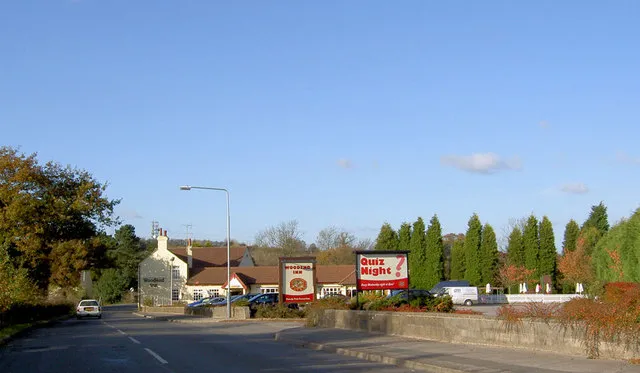
Photo: Steve F, CC BY-SA 2.0, via Wikimedia Commons
There is a particular sound that tells you a British pub quiz is about to begin. It is not the clink of glasses or the shuffle of chairs. It is the rustle of answer sheets being folded into quarters, followed by a hopeful voice asking, 'Is it one point per answer or two?' In 2026, that sound is getting louder. The pub quiz, that most dependable of midweek rituals, is having a proper renaissance.
Not in a nostalgic, 'remember when' way. This is a living, breathing night out. Quizzes are selling out in village halls, packing out back rooms and raising serious money for charity. They are also becoming more inventive, more inclusive and, crucially, more fun than the dusty general-knowledge grilling of popular memory.
Why the quiz is having a moment
The appeal is simple: it is a low-cost night out with a built-in reason to talk to people. You do not need to be brilliant at trivia. You need to be willing to guess, argue gently about the capital of Australia and share a plate of chips with someone who knows a lot about 1990s adverts. In a world of screens, the pub quiz offers structured sociability. It gives a group a reason to be in the same room on a Tuesday.
Quizmasters have noticed the shift. 'People want a night that feels like a proper occasion but does not cost £60 before you have even looked at the menu,' says Maya, who runs a Monday quiz at a Bristol pub. 'The best teams are not the ones with the most knowledge. They are the ones who laugh when they get something wrong.'
What a good quiz night looks like now
The old format, six rounds of ten questions read at speed, still works. But the interesting stuff is happening around the edges. Themed rounds are everywhere: Name That Crisp, Local History, Emoji Films, music intros, 'Beyoncé or Beethoven'. Picture rounds give people who hate being put on the spot a fighting chance. Multiple-choice rounds help nervous newcomers. And the best quizzes mix easy questions with a few properly hard ones, so nobody feels stupid and everybody has a moment of glory.
Callum, who hosts a fortnightly quiz in Glasgow, says the trick is pacing. 'You want a laugh in the first round, a groan in the third and a tie-breaker that does not turn into a hostage situation,' he says. 'And never, ever make the final question about football unless you want half the room to stop speaking to you.'
Charity mega-quizzes are also booming. Village halls, sports clubs and community centres are running bigger events with 20 or 30 teams, raffles and a bar. The quiz becomes a fundraiser with a scoreboard. Entry fees are modest, local businesses donate prizes, and the whole thing feels like a night out with a purpose. In Norwich, Priya runs a quarterly quiz that has raised money for a food bank and a youth club. 'We keep the questions inclusive and the prizes silly,' she says. 'The trophy is a plastic owl. People take it very seriously.'
The no-phones rule: sacred and impossible
Every quizmaster says the same thing: phones down. It is the one rule that unites the whole room, and the one rule that is almost impossible to enforce. There is always someone checking the football scores under the table, or a team that has mysteriously remembered the name of a 1970s sitcom within four seconds of a question. The no-phones rule is sacred because it protects the spirit of the quiz: you are there to think, guess and be wrong together. It is impossible because we are only human, and human beings have a deeply unhelpful urge to Google.
The best approach is a mix of theatre and trust. A basket by the door. A reminder from the quizmaster. A mock-serious warning that anyone caught will be made to read out the answers to the picture round. Do not actually confiscate phones unless you want a mutiny. Do not install a signal jammer; that is illegal and also a bit much for a Tuesday. Just create a culture where cheating is deeply uncool, and let the honour system do most of the work.
How to start a quiz in your local
If your local pub, club or community hall does not have a quiz, you may have found your calling. Here is a starter kit.
Talk to the venue first
Pick a quiet night, not a Friday. Ask what they need: bums on seats, a charity tie-in, a bit of atmosphere? Agree a start time and a finish time. A quiz that runs past 10.30pm on a work night will lose half the room.
Build a format, not a marathon
Six rounds of ten questions is plenty. Add a picture round and a music round if you are feeling fancy. Take a break halfway through. Keep the whole thing to two hours, including scoring. Write questions that are 40% easy, 40% medium and 20% glorious nonsense. Local questions are gold: the name of the park, the weird statue, the shop that used to be a bank.
Host like a person, not a textbook
Read each question twice. Repeat the number. Keep the scoring visible. Have a tie-breaker ready that is quick and silly. Do not humiliate anyone. Do not spend five minutes explaining why your favourite answer is correct. The quizmaster is not the star; the room is.
Sort the practical stuff
You need answer sheets, pens, a microphone if the room is big, and a playlist for the breaks. A clipboard is useful. So is a friend who can add up. Prizes can be a bar tab, a box of chocolates or a ridiculous trophy. If you are raising money for charity, say so clearly and keep the entry fee low.
Spread the word
A poster in the window, a post in the local Facebook group and a message to the school WhatsApp chat will do more than a fancy website. Ask teams to book ahead if space is tight. Encourage work teams, families and people who are new to the area. Put a 'no experience needed' line on the poster.
The real reason it works
The pub quiz is not really about knowing things. It is about being in a room with other people, having a go, and discovering that the person who looks like they have never had a fun idea in their life knows every word to a 1990s cereal advert. It is community, with a scoreboard. And in 2026, that is exactly what we need more of.
So if your local has a quiz, go. If it does not, maybe that is not a gap in the market. Maybe it is a gap with your name on it. GoCas would like a front-row seat.