Mulled Wine, Mystery Cheese and Tactical Crowd Dodging: The GoCas Christmas Market Field Guide
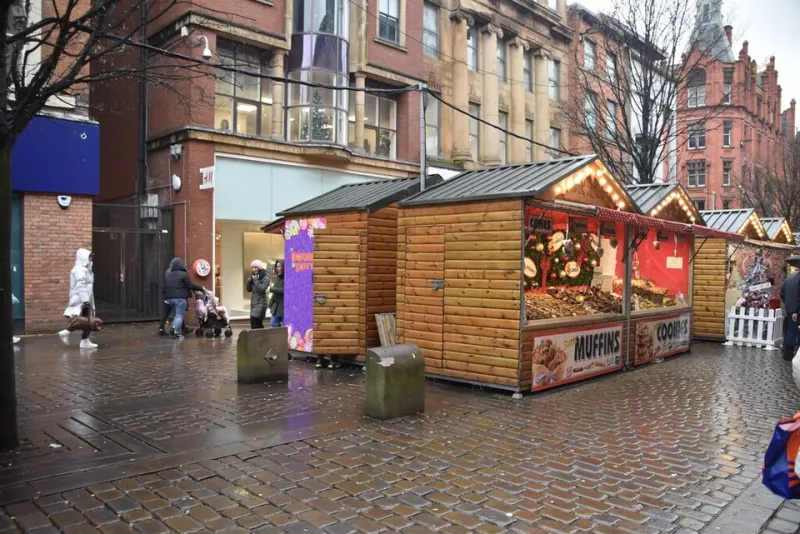
Photo: N Chadwick , CC BY-SA 2.0, via Wikimedia Commons
Every November, something strange happens to the average British high street. A few wooden huts appear, a firm smell of fried onions settles over the precinct, and otherwise sensible adults begin queueing for a cup of mulled wine that tastes like warm Ribena with a grudge. Welcome to the local Christmas market: part fairy-light wonderland, part contact sport. And in 2026, after another year of pretending we are not excited by a giant illuminated reindeer, it is time to go in with a plan.
This is not a grumble. GoCas loves a Christmas market. We just believe that survival and enjoyment are not mutually exclusive. Here is the field guide.
Timing is everything, and everyone else's timing is wrong
If you want the market without the shoulder-to-shoulder shuffle, go on a weekday before 5pm, or on a Sunday evening when the brass band has packed up and the last batch of mince pies is going cheap. Avoid Saturday midday unless your idea of a lovely afternoon is being slowly carried past a candle stall by a tide of people in padded coats.
The opening hour is golden. The stalls are fresh, the lights are on, and the choir has not yet reached the key of 'slightly sharp'. The final hour is also underrated: traders are tired, bargains are possible, and the mystery cheese stand may finally reveal its prices.
Adopt a crowd plan that is not just 'walk faster'
Most market chaos comes from The Dead Stop: a person who halts in the middle of a narrow lane to inspect a wooden snowman. Do not be that person. Step to the side. Better still, walk the perimeter first, note your exits, and arrange a meeting point that is not 'by the lights'. Every market has at least 400 lights. Choose the clock tower, the war memorial or the stall selling hats for dogs.
If you have a buggy, go early. If you do not have a buggy, be kind to the people who do. Christmas market karma is real, and it usually comes back as someone standing on your heel outside the bratwurst queue.
Treat the mulled wine like a lottery
There are two types of market mulled wine. The first is simmered slowly with oranges, cloves and a bit of care. The second is hot juice with a vague memory of spice and a price tag that suggests it was blessed by a bishop. You cannot always tell which is which. Look for a proper pan, a visible recipe, and a queue of people who look like they have done this before. Ask for a small cup first. If it tastes like Christmas cough medicine, at least you have only committed to a small one.
And yes, the questionable cup is part of the experience. You will complain about it for ten minutes and then buy another because your hands are cold.
Know which stalls are worth your money
The good ones are usually easy to spot: local makers with actual stalls, food vendors with short menus, charity tables staffed by people who are genuinely pleased to see you, and anywhere selling a refillable cup that does not cost more than the drink. The less good ones are the identikit phone-case stalls, the 'personalised' signs printed while you wait, and any stand selling a cheese that has no name, no label and a faint air of mystery. Every market has one. It is always busy. Nobody knows why. Buy a wedge if you are brave, but do not ask questions unless you are prepared for a ten-minute lecture about a farm you have never heard of.
Then there are the wreath buyers. You will recognise them by their measuring tape, their determined expressions and the fact that they arrived before the stall opened. They are not browsing. They are selecting. Do not get between a wreath buyer and a door wreath. It is not worth it.
Let the choir be slightly out of tune
The local choir will be slightly out of tune. This is not a criticism; it is a Christmas tradition. They will launch into a carol with more enthusiasm than harmony, and someone's nan will be conducting from the crowd. Stay for one song. It is the closest thing the market has to a communal living room.
Eat before you are hungry
A hungry market visitor is a market visitor who pays £9 for a Yorkshire pudding wrap and then wonders where their life went wrong. Have a proper snack before you leave the house, or decide on one good thing and share it. The food stalls are better when you are not ravenous and making decisions with your stomach.
Set a budget, then add a small chaos allowance
Most markets are card-friendly now, which is dangerous. The £3 bauble has a way of becoming four £3 baubles and a £14 candle shaped like a hedgehog. Set a rough limit, take a reusable bag, and leave the credit card alone if you are prone to festive generosity. A small chaos allowance is fine. That is what the hedgehog candle is for.
The secret bit
Here is the thing we rarely admit: the Christmas market is not really about the stalls. It is about the town being out together. It is the choir, the cheese, the person who bought a wreath the size of a small car, and the toddler who has fallen asleep in a pushchair holding a wooden spoon. You will complain about the crowds. You will say never again. And then, about a week later, you will suggest going back because you saw a stall selling something you cannot stop thinking about.
GoCas tip for 2026: wear layers, take a reusable bag, keep your sense of humour, and never challenge a wreath buyer to a staring contest. You will lose.