The Polite Bloodsport of the Library Waiting List
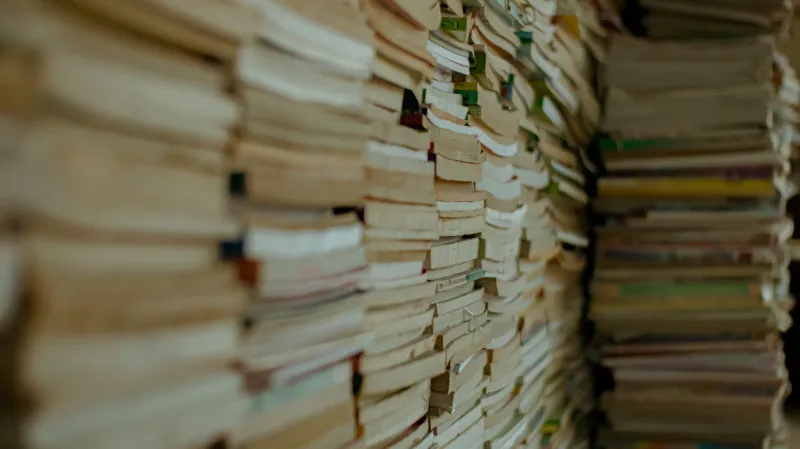
You know the shelf. It is usually behind the counter, or just to the side of it, and it holds a stack of books with paper bands around them and a name printed in small, serious capitals. It is the reservations shelf, and it is the closest thing your town has to a public scoreboard.
The Crate Behind the Counter
There is a particular smell to a reserved book. Paper, faintly dusty, occasionally a hint of someone else’s hand cream. The band around it says your surname and a number, and that number is either a small triumph or a quiet humiliation. Position one means you are about to be handed a book you have been thinking about for weeks. Position fourteen means you have entered a polite bloodsport with no fixed end date.
The reservations queue is not a queue in the normal British sense. Nobody stands in it. Nobody tuts. There is no need to catch the eye of the person in front and suggest, with a raised eyebrow, that they might like to move along. Instead, you wait for an email that arrives with the quiet authority of a council tax reminder, but with better news.
Position Fourteen of Twenty-Two
The library reservation system is a marvel of quiet bureaucracy. You request a book. The computer tells you that you are number fourteen of twenty-two. You feel a brief, unreasonable sense of achievement. Then you forget about it for six weeks.
When the email finally lands, it is a genuine event. You read it twice. You check the opening hours. You plan your visit around it, as if you are collecting a passport rather than a paperback. And when you arrive, the book is there, waiting on the shelf with your name on it, looking slightly more important than it did in the catalogue.
The etiquette is simple but strict. You do not ask the librarian whether it is in yet. They know. They have always known. Asking is like phoning a restaurant to ask whether they have cooked your dinner. You collect it, you thank them, and you take it home.
What the Returns Trolley Knows About You
The reservations shelf gets the attention, but the returns trolley is the real storyteller. It is a rolling census of the town’s moods. In January it is full of cookbooks and fitness manuals. In summer it is full of novels with sun-bleached covers and titles about walking long distances. In October, someone always returns a book about mushrooms that has been out since March.
Then there are the bookmarks. Not proper bookmarks, usually. A Tesco receipt from 2019. A boarding pass for a flight to Alicante. A child’s drawing of a dinosaur that has been carefully placed at page 87. A prescription label with the name carefully folded under. A library card from a different county, dated 1998.
These are the accidental autobiographies of your neighbours. They reveal more than any neighbourhood chat group ever could, and they do it without a single passive-aggressive emoji.
The Bookmark Is the Message
Forget neighbourhood watch. If you want to know what people are really like, look at what they leave between pages 140 and 141. A bus ticket used as a bookmark suggests a reader who plans ahead and then loses the plan. A folded corner suggests someone who believes rules are for other people. A pressed leaf suggests someone who thinks they are the sort of person who presses leaves, which is not quite the same thing.
There is also the mystery of the book returned with a bookmark from a different library entirely. How did it get there? Was there a road trip? A house move? A illicit second library card? Nobody knows, and nobody asks. The library is a place of quiet discretion.
No Algorithm Would Ever Recommend This
Here is the thing about the reservations queue: it is gloriously inefficient. It does not care that you liked three thrillers and a book about sourdough. It will hand you a 1970s biography of a Victorian engineer because someone in a fleece returned it on a Tuesday. It will make you wait eight weeks for a novel that everyone else has already read. It will put you in a queue with people you have never met and will never meet, and it will treat you all exactly the same.
Compare that with the streaming services that decide what you should watch next before you have finished watching the last thing. The library queue is analogue, slow, and stubbornly human. It is a small parliament of readers, and everyone gets one vote.
The Last Truly Democratic Room in Town
There is a reason the library feels different. You can sit there for three hours and spend nothing. You can read the newspaper, use the loo, charge your phone, and ask a question without being sold anything. The reservations shelf is part of that bargain. It is not a premium service. There is no pay-to-skip tier. The only currency is time, and everyone has the same amount of it.
In a world where so much of local life has been pared back to a QR code and a card reader, the library remains a room you can enter without a reason. That is worth protecting, even if your reservation is only number nineteen of twenty-two.
A Quiet Word on Etiquette
A few gentle rules for the reservations shelf. Do not keep the book three weeks past its due date. Do not remove the paper band and pretend it is yours. Do not dog-ear the pages; use the receipt like a civilised person. And if you are the sort of reader who reserves twelve books at once, know that you are the reason the rest of us are at position fourteen.
Still, the queue will hold your place. It always does. So next time you are in, take a look at the crate behind the counter. You might not recognise the names, but you will recognise the town. And then go and reserve something odd. The waiting list is open.