Eggs, Jam and a Little Green Light: The New Rules of the Roadside Stall
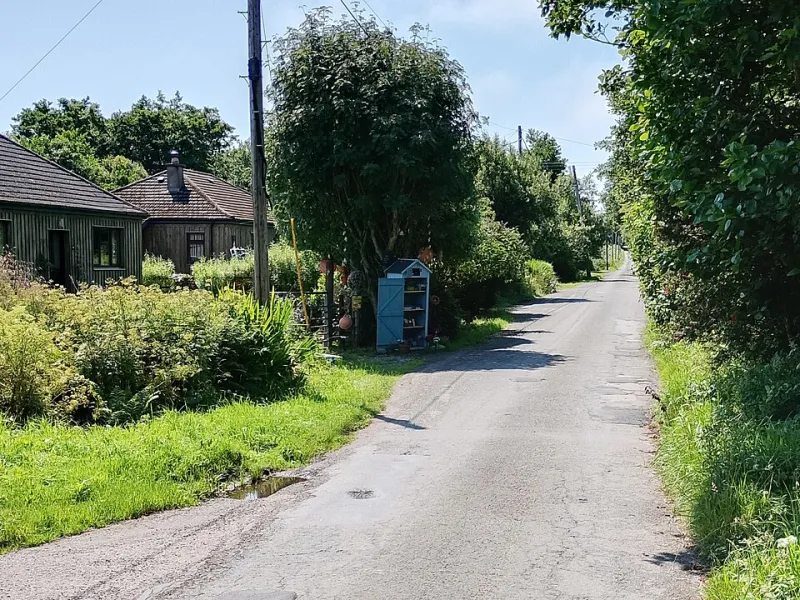
Photo: Jim Smillie , CC BY-SA 2.0, via Wikimedia Commons
There is a particular kind of British roadside stall that announces itself with a hand-painted sign, a jam jar of coins and the faint whiff of somebody's garage. In 2026, it has a little green light and a card reader in a biscuit tin. The produce has not changed. The eggs are still speckled, the marrows are still enormous and the jam still has a label written in biro. But the payment situation has had a quiet upgrade, and nobody held a press conference about it.
This is the honesty box, version two. It is not a revolution with banners. It is a farmer, an allotment holder or a retired couple deciding that fewer people carry cash, and that a small card reader from the internet is less faff than watching a tub of pound coins sit untouched while the courgettes go soft. The charm remains. The awkwardness has simply moved.
The little green light at the end of the lane
You will spot it before you spot the eggs: a contactless reader wedged into a plastic box, sometimes wrapped in cling film, sometimes sitting under a Tupperware lid with a stone on top. There may be a QR code flapping on a piece of A4, and a handwritten note saying tap here if the signal behaves. It is deeply unglamorous and strangely reassuring. The stall has joined the modern economy without acquiring a website, a loyalty scheme or a person to shout at.
What has not changed is the basic deal. You take what you need. You pay what you owe. You close the gate. The little green light is just a new way of doing the middle bit, and it has arrived without any of the usual fuss about apps, accounts or passwords beginning with a capital letter.
What the sign is really telling you
The signage is where the real local knowledge lives. Eggs £2.50. Kindling £3 a bag. Marrows 50p, or free to a good home if the pile has got out of hand. Please leave the punnet. Please close the gate. Please do not let the dog water the parsley. Some signs are laminated. Some are on the back of a cereal box. One will inevitably say back in ten mins, which could mean ten minutes or Thursday.
When a card reader appears, the sign usually gains a new line: tap here, no cash needed, or please pay what you owe. That last one is doing a lot of work. It is polite, but it is also a test. The stallholder is not watching from the window. They are trusting you to be the sort of person who taps for the jam and does not round down because the reader asked a question about gratuity.
The price of a marrow and other mysteries
Roadside pricing follows its own logic. Eggs are priced by the half dozen. Jam is priced by the jar, unless it is a very small jar, in which case it is priced by vibes. Kindling is priced by the bag, and the bag is whatever bag was going spare. A marrow is priced at whatever will make it leave the table before it becomes a family heirloom.
Contactless has introduced a new etiquette problem: the tiny transaction. Tapping 50p for a single marrow feels like using a debit card to buy one sprout. Some stalls now have a handwritten minimum, often £1 or £2, taped to the reader. Respect it. If you only want one onion, either buy something else or leave the onion for somebody who is doing a proper shop. The stall is not a bank. It is a table by a gate.
Weatherproof signage and the art of the laminated apology
A good roadside stall is a small monument to British improvisation. The card reader lives in a sandwich box. The QR code is held down by a pebble. The sign explaining that the signal is patchy has itself been rained on, which feels appropriate. There is often a second sign apologising for the first sign. This is not inefficiency. It is local government in miniature.
Trust is the entire business model. Nobody is checking your basket. Nobody is comparing your car to a list of known marrow thieves. The stallholder has decided that most people are decent, and most people repay that by being decent. The contactless reader does not change that. It just means the decent people who forgot to visit a cash machine can still take home a dozen eggs.
When the signal drops and the guilt kicks in
The classic roadside dilemma used to be having no change. Now it is having no signal, a flat card reader or a tap that fails while the little green light stares at you like a disappointed teacher. You stand in a lay-by, holding a jar of marmalade, wondering whether to leave an IOU on the back of a receipt. The stallholder has thought of this. There is usually a cash box for emergencies, or a note saying pay next time. The note is the whole point. There may not be a next time, but the trust has been extended anyway.
If the reader fails, do not simply drive off with the kindling. Leave the money if you have it. Leave a note if you do not. Come back. The quiet guilt of the unpaid jam is a real thing, and it lasts longer than the jam.
The rules of the verge
There are unwritten rules, and they are mostly about not being a nuisance. Do not block the gate. Do not park across a driveway. Close the gate behind you, even if it was open when you arrived. Do not let the dog investigate the eggs. Do not take the last jar and leave the empty space looking like a crime scene. If the stall is on a working farm, remember that you are a visitor, not a customer service review waiting to happen.
And if something is wrong, tell the person whose phone number is on the sign. A polite text about a damp box of kindling is more useful than a passive-aggressive note wedged under the card reader. This is a community service run from a table. Treat it like one.
Why the old system still works
The honesty box has not been ruined by contactless. If anything, it has been made more accessible. People who never carry cash can now buy eggs on a Sunday afternoon. Stallholders lose a small slice to card fees, but they gain sales they would otherwise miss. The jam jar of coins has not disappeared. It sits next to the reader, a backup plan in case the signal drops or the tap fails.
What remains is the thing that made these stalls charming in the first place: the assumption that you will do the right thing. In 2026, that assumption comes with a little green light and a laminated apology. It is still worth protecting. Take the eggs. Tap the reader. Close the gate. Leave the world a little more honest than you found it.